February 16, 2026
Hybrid models for Hydrological Forecasting integration of data-driven and conceptual modelling te…
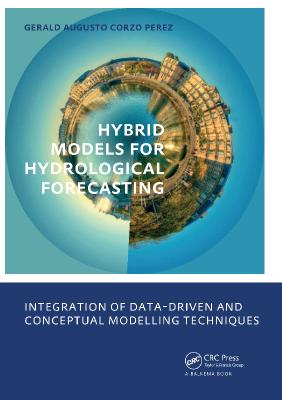
Hybrid models for Hydrological Forecasting integration of data-driven and conceptual modelling techniques | 10.6 MB
Title: Hybrid Models for Hydrological Forecasting: Integration of Data-driven and Conceptual Modelling Techniques
Author: Gerald Augusto Corzo Perez;
Category: Nonfiction, Science & Nature, Technology, Engineering, Civil, Science, Biological Sciences, Environmental Science
Language: English | 229 Pages | ISBN: 0415565979
Description:
This book presents the investigation of possibilities and different architectures of integrating hydrological knowledge and conceptual models with data-driven models for the purpose of hydrological flow forecasting. Models resulting from such integration are referred to as hybrid models. The book addresses the following specific topics:
A classification of different hybrid modelling approaches in the context of flow forecasting.
The methodological development and application of modular models based on clustering and baseflow empirical formulations.
The integration of hydrological conceptual models with neural network error corrector models and the use of committee models for daily streamflow forecasting.
The application of modular modelling and fuzzy committee models to the problem of downscaling weather information for hydrological forecasting.
The results of this research show the increased forecasting accuracy when modular models, which integrate conceptual and data-driven models, are considered. Committee machine modelling show to be able to manage increased lead time with an acceptable accuracy.
This book presents the investigation of possibilities and different architectures of integrating hydrological knowledge and conceptual models with data-driven models for the purpose of hydrological flow forecasting. Models resulting from such integration are referred to as hybrid models. The book addresses the following specific topics:
A classification of different hybrid modelling approaches in the context of flow forecasting.
The methodological development and application of modular models based on clustering and baseflow empirical formulations.
The integration of hydrological conceptual models with neural network error corrector models and the use of committee models for daily streamflow forecasting.
The application of modular modelling and fuzzy committee models to the problem of downscaling weather information for hydrological forecasting.
The results of this research show the increased forecasting accuracy when modular models, which integrate conceptual and data-driven models, are considered. Committee machine modelling show to be able to manage increased lead time with an acceptable accuracy.
DOWNLOAD:

Zero Latency Leadership – Driving Equity, Trust, and Sustainability with Emerging Tech
Mukherjee A AWS Security Handbook A practical guide 2026