February 8, 2026
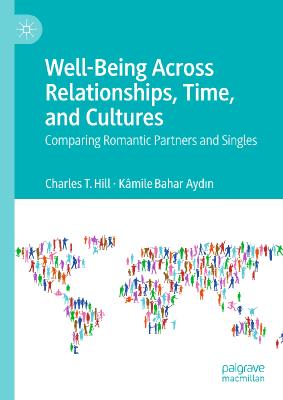
Well-Being Across Relationships, Time, and Cultures
Well-Being Across Relationships, Time, and Cultures | 8.09 MB
Title: Well-Being Across Relationships, Time, and Cultures
Author: Jill Denner
Category: Nonfiction, Health & Well Being, Psychology, Applied Psychology, Medical, Reference, Public Health, Social Psychology
Language: English | 311 Pages | ISBN: 0814719775
Description:
This book provides a comprehensive overview of the many components of well-being and the many factors which can influence it. As opposed to the books which explore just a single component of it or the well-being of one group at one time in one culture, it begins by reviewing theories of the cognitive, emotional, and behavioral components of well-being, and variations in relationships, time, and cultures that can influence well-being. It emphasizes that positive and negative well-being often comes in reaction to needs being met or not being met, or perceived as being threatened. A primary means of meeting needs is by interacting with others, in single encounters or on-going relationships.
Part II presents new analyses of five studies that compare various types of relationship partners and singles, confirming that on average relationship partners often have higher well-being than singles. But many singles have high well-being, and some relationship partners have low well-being, with singles being more at risk of low well-being. Previous research has paid insufficient attention to the well-being of singles, who are an increasing percentage of adults.The final section provides an overview of the ways in which individuals, communities, therapists, and researchers can promote well-being.
This book provides a comprehensive overview of the many components of well-being and the many factors which can influence it. As opposed to the books which explore just a single component of it or the well-being of one group at one time in one culture, it begins by reviewing theories of the cognitive, emotional, and behavioral components of well-being, and variations in relationships, time, and cultures that can influence well-being. It emphasizes that positive and negative well-being often comes in reaction to needs being met or not being met, or perceived as being threatened. A primary means of meeting needs is by interacting with others, in single encounters or on-going relationships.
Part II presents new analyses of five studies that compare various types of relationship partners and singles, confirming that on average relationship partners often have higher well-being than singles. But many singles have high well-being, and some relationship partners have low well-being, with singles being more at risk of low well-being. Previous research has paid insufficient attention to the well-being of singles, who are an increasing percentage of adults.The final section provides an overview of the ways in which individuals, communities, therapists, and researchers can promote well-being.
DOWNLOAD:
https://nitroflare.com/view/1189A4D943A7BB5/Well-Being_Across_Relationships_Time_and_Cultures.pdf

The Grammar of Modern Hebrew
Switching Diplomatic Recognition Between Taiwan and China